
Nurse-led, by necessity and by design
How the Adelaide general practice behind Keyframe Health built its clinical model around advanced nursing roles
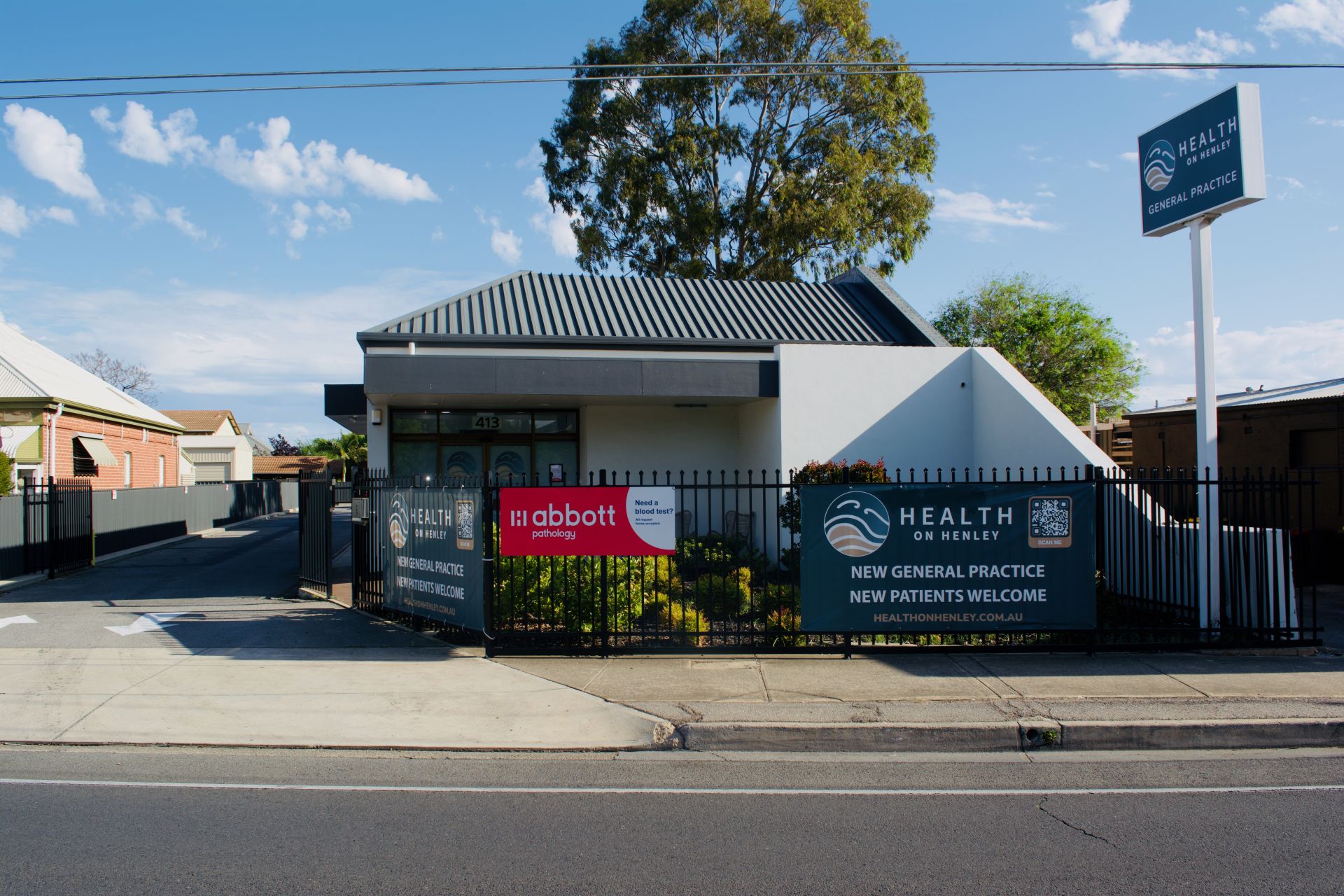
Keyframe Health’s courses weren’t designed in a classroom. They were built inside Health on Henley, an independent general practice in Brooklyn Park, in Adelaide’s western suburbs. Its owners are also the founders of Keyframe Health. Every workflow, template and consent conversation we teach was first tested with real patients in that clinic.
This post explains the clinical model behind that work, and why we think more practices can adopt it.
This post explains the clinical model behind that work, and why we think more practices can adopt it.
Nursing as the service, not the support layer
At Health on Henley, nursing isn’t a support layer around the work of the GP. It’s a large part of the clinical service. Our team includes two endorsed nurse practitioners and one nurse practitioner candidate, and each of them holds their own patient list.
The practice describes itself as GP and nurse practitioner led, and its ownership reflects that.
The model began as a response to a workforce problem. It continues because we decided what nurses have the skills and capability to do.
Write your awesome label here.
Two reasons for the same model
The first reason is one most practices will recognise. GP recruitment has been difficult, and our nursing team has absorbed much of the pressure that puts on patient access. Nurse-led appointments add to what our practitioners can do, and they help patients get timely care.
The second reason was deliberate. We set out to be a training environment: somewhere NP candidates work to their full scope while they study, and where the practice creates opportunities for advanced practice rather than leaving nurses to find them elsewhere.
In my experience, nurse practitioner candidates often spend their study years in a job that looks very little like the one they’re training for. Then they’re endorsed and have to learn all of it at once. We wanted to close that gap.
How nurse and GP care work together

One service in depth: nurse-led MTOP
Ready to lead MTOP care in your practice?
The Nurse-Led Management of Medical Termination of Pregnancy is 8 hours of APNA-endorsed CPD and includes all of the knowledge, tools and resources needed to implement an MTOP service in your general practice.
Write your awesome label here.
Write your awesome label here.
Ready to lead UTI care in your practice?
The Nurse-Led Management of Uncomplicated UTI's is 8 hours of APNA-endorsed CPD and includes all of the knowledge, tools and resources needed to implement a nurse-led UTI service in your general practice.

Keyframe Health acknowledges the Kaurna people as the Traditional Custodians of the Adelaide Plains, and pays respect to Elders past and present. We acknowledge Aboriginal and Torres Strait Islander peoples as the First Peoples of Australia and Traditional Custodians of Country throughout Australia, and recognise the ongoing strength, resilience, and contribution of First Nations peoples, cultures, and communities. We welcome nurses of every background, identity and community.

Created with